



CYP51
Cytochrome P450 51 (CYP51), also known as sterol 14α-demethylase, catalyzes the removal of the 14α-methyl group from sterol precursors and constitutes an essential step in sterol biosynthesis across biological kingdoms[1][2]. Mechanistically, CYP51 controls the production of membrane sterols, including cholesterol in vertebrates and ergosterol in fungi, thereby regulating membrane integrity, fluidity, and cellular viability[3][4]. The enzyme occupies a central position in the ergosterol biosynthetic pathway, where inhibition of fungal CYP51 causes ergosterol depletion and accumulation of toxic sterol intermediates that suppress fungal growth[5][6]. Consequently, CYP51 has become a major molecular target for clinical and agricultural azole antifungal agents, which bind the heme-containing active site and block sterol 14α-demethylation[5][7]. In disease-related models, CYP51 inhibition is widely exploited for the treatment of invasive fungal infections and azole-resistant candidiasis, supporting its value in antifungal drug discovery and resistance studies[8][9]. Compared with other cytochrome P450 isoforms, CYP51 is distinguished by its highly conserved catalytic function in sterol metabolism and broad evolutionary distribution across eukaryotes and some prokaryotes[1][2]. Structural analyses further demonstrate that the conserved CYP51 ligand-binding cavity provides a robust framework for structure-guided development of selective inhibitors and mechanistic probes for sterol biosynthesis research[3][10].
References:
- [1]. Lepesheva GI, et al. Sterol 14alpha-demethylase cytochrome P450 (CYP51), a P450 in all biological kingdoms. Biochim Biophys Acta. 2007 Mar;1770(3):467-77. [Content Brief]
- [2]. Lepesheva GI, et al. Structural basis for conservation in the CYP51 family. Biochim Biophys Acta. 2011 Jan;1814(1):88-93. [Content Brief]
- [3]. Hargrove TY, et al. Structural complex of sterol 14α-demethylase (CYP51) with 14α-methylenecyclopropyl-Delta7-24, 25-dihydrolanosterol. J Lipid Res. 2012 Feb;53(2):311-20. [Content Brief]
- [4]. Warrilow AG, et al. Azole affinity of sterol 14α-demethylase (CYP51) enzymes from Candida albicans and Homo sapiens. Antimicrob Agents Chemother. 2013 Mar;57(3):1352-60. [Content Brief]
- [5]. Rosam K, et al. Sterol 14α-Demethylase Ligand-Binding Pocket-Mediated Acquired and Intrinsic Azole Resistance in Fungal Pathogens. J Fungi (Basel). 2020 Dec 22;7(1):1. [Content Brief]
- [6]. Sciencedirect.topics.
- [7]. Monk BC, et al. Roles for Structural Biology in the Discovery of Drugs and Agrochemicals Targeting Sterol 14α-Demethylases. J Fungi (Basel). 2021 Jan 20;7(2):67. [Content Brief]
- [8]. Zhang R, et al. Strategies of targeting CYP51 for IFIs therapy: Emerging prospects, opportunities and challenges. Eur J Med Chem. 2023 Nov 5;259:115658. [Content Brief]
- [9]. Han G, et al. Discovery of Novel Fungal Lanosterol 14α-Demethylase (CYP51)/Histone Deacetylase Dual Inhibitors to Treat Azole-Resistant Candidiasis. J Med Chem. 2020 May 28;63(10):5341-5359. [Content Brief]
- [10]. Hargrove TY, et al. Structural analyses of Candida albicans sterol 14α-demethylase complexed with azole drugs address the molecular basis of azole-mediated inhibition of fungal sterol biosynthesis. J Biol Chem. 2017 Apr 21;292(16):6728-6743. [Content Brief]
All Product Categories
-
CYP51 Related Products (25)
Related Products (25)

- 1
- 2
-
Tebuconazole
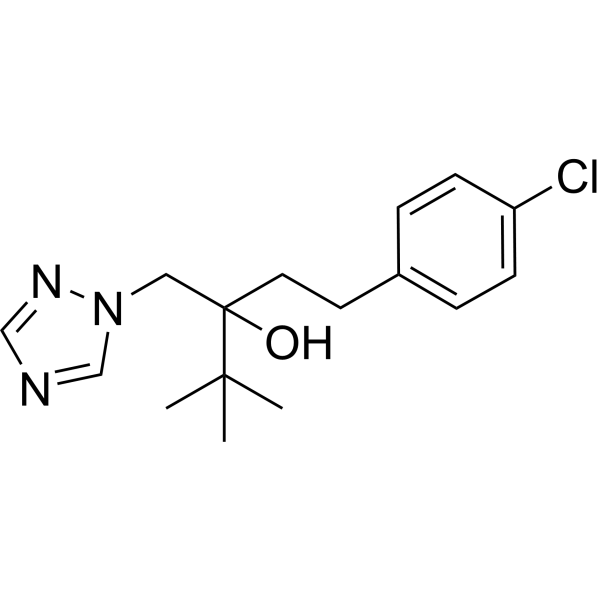 0 ImagesTebuconazole is an orally active agricultural azole fungicide which can also inhibit CYP51 with IC50s of 0.9 and 1.3 μM for Candida albicans CYP51 (CaCYP51) and truncated Homo sapiens CYP51 (Δ60HsCYP51), respectively. Tebuconazole induces lipid accumulation and oxidative stress in HepG2 Cells. Tebuconazole decreases MAC-T cells viability and proliferation, induces ER-stress-mediated apoptosis and increases oxidative stress levels in MAC-T cells.
-
Oteseconazole
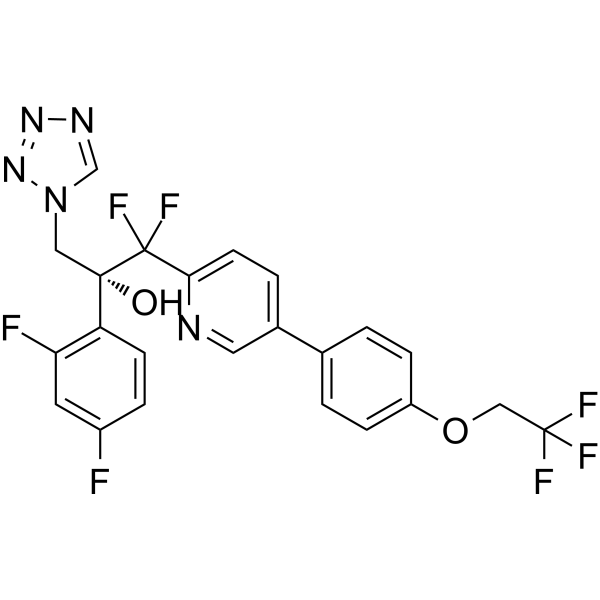 0 ImagesSynonyms: VT-1161
-
Obtusifoliol
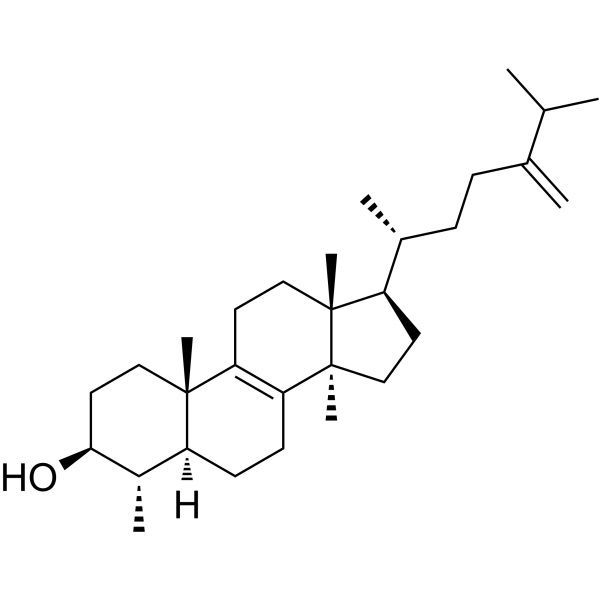 0 ImagesObtusifoliol is a specific CYP51 inhibitor, Obtusifoliol shows the affinity with Kd values of 1.2 μM and 1.4 μM for Trypanosoma brucei (TB) and human CYP51, respectively.
-
Opelconazole
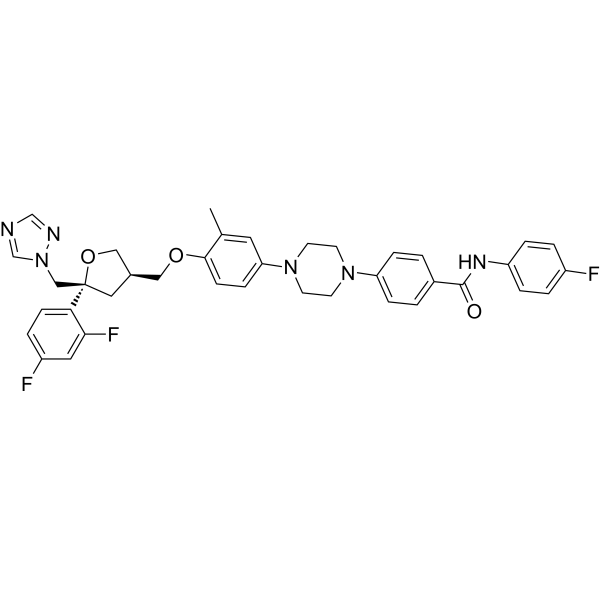 0 ImagesSynonyms: PC945Opelconazole (PC945), a potent, long-acting antifungal triazole, possesses activity against a broad range of both azole-susceptible and azole-resistant strains of Aspergillus fumigatus. Opelconazole is also a potent, tightly binding inhibitor of A. fumigatus sterol 14α-demethylase activity, CYP51A and CYP51B, with IC50s of 0.23 μM and 0.22 μM, respectively.
-
Dihydrolanosterol
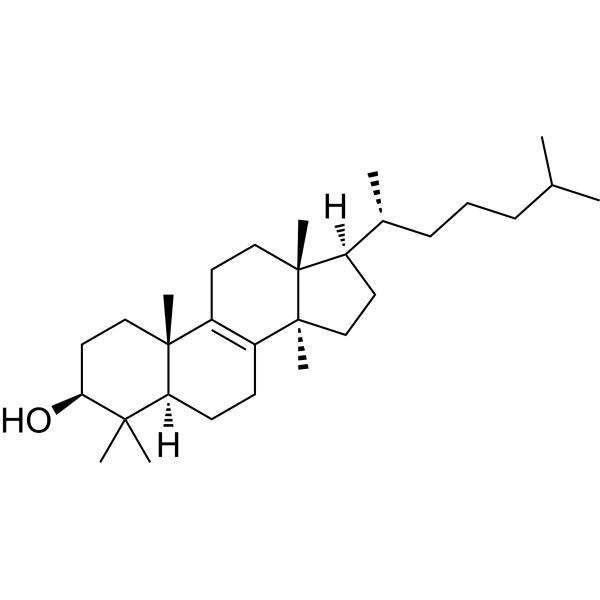 0 ImagesDihydrolanosterol is a subtrate of CYP51 and a cholesterol biosynthesis inhibitor..
-
Antifungal agent-170
 0 ImagesCat. No.: HY-184735CAS No.: 2924270-62-0Antifungal agent-170 is an Antifungal agent. Antifungal agent-170 potently inhibits the growth of recombinant Saccharomyces cerevisiae strains expressing wild-type and mutant fungal CYP51 enzymes. Antifungal agent-170 potently inhibits the growth of Candida albicans, Candida glabrata, Candida krusei, Cryptococcus neoformans and Cryptococcus gattii. Antifungal agent-170 provides survival benefits in the Galleria mellonella (greater wax moth) infection model. Antifungal agent-170 can be used for the research of invasive fungal infections.
-
CZx-243
 0 ImagesCat. No.: HY-187376CZx-243 is an orally active broad-spectrum antifungal agent. CZx-243 binds to the active site of fungal CYP51 and interferes with ergosterol biosynthesis by depleting ergosterol and causing the accumulation of upstream sterol intermediates. CZx-243 blocks yeast-to-hypha transition; it inhibits the membrane integrity of fungi such as Candida glabrata and Cryptococcus neoformans. CZx-243 significantly reduces renal fungal burden in a systemic mouse model of invasive fungal infection resistant to Fluconazole (HY-B0101). CZx-243 can be used in the research of fungal infections.
-
Prothioconazole
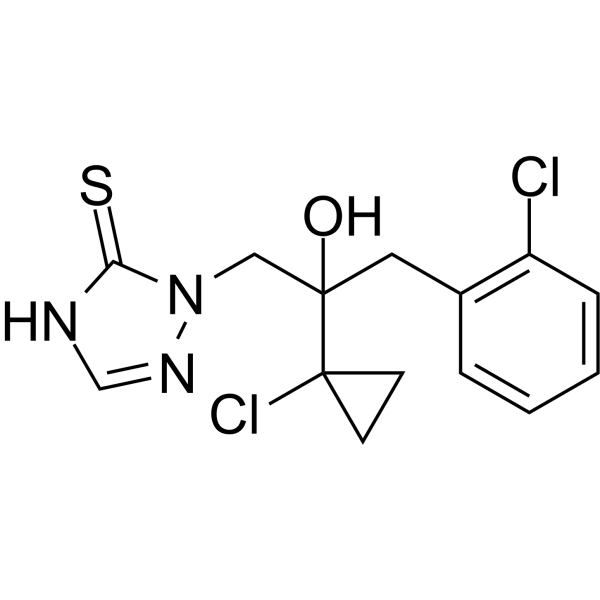 0 ImagesSynonyms: JAU-6476Prothioconazole is an orally active broad-spectrum fungicide. Prothioconazole weakly inhibits CaCYP51 activity in Candida albicans, with an apparent IC50 of approximately 120 μM. Prothioconazole disrupts Microtubule stability by reducing the acetylation level of α-tubulin. Prothioconazole induces Mitochondrial dysfunction, oxidative stress, DNA damage, and Apoptosis. Prothioconazole accumulates 14-methylated sterols and depletes ergosterol in cells, culture media, plants, and animals. Prothioconazole interferes with pyruvate metabolism and glycolysis/gluconeogenesis processes in mouse liver, downregulates Fasn mRNA expression, and induces hepatotoxicity and renal metabolic disorders. Prothioconazole reduces the fertility of female mice. Prothioconazole inhibits body weight gain and increases liver/kidney indices in mice. Prothioconazole can be used in studies related to candidiasis.
-
Quilseconazole
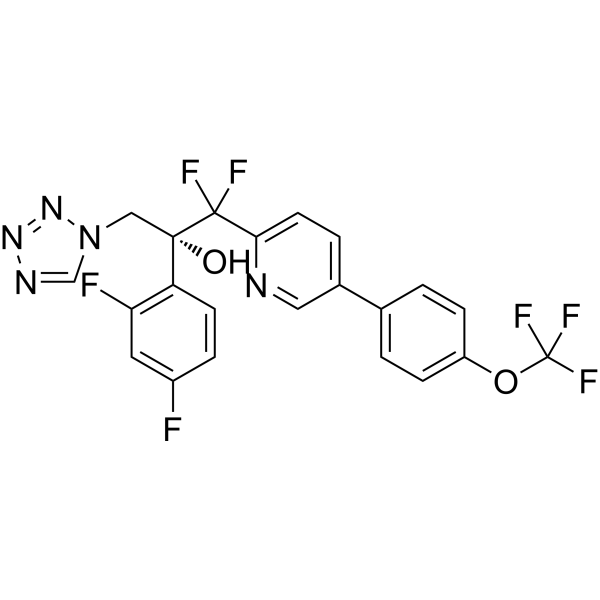 0 ImagesSynonyms: VT-1129Quilseconazole (VT-1129) is an orally active, highly selective fungal cytochrome P450 enzyme Cyp51 inhibitor that can cross the blood-brain barrier. Quilseconazole prevents the synthesis of ergosterol, an important component of the fungal cell membrane, by inhibiting Cyp51. Quilseconazole has minimal effects on human CYP enzymes. Quilseconazole has antifungal activity and can be used in the study of cryptococcal meningitis and other diseases.
-
Antifungal agent 136
 0 ImagesAntifungal agent 136 is a CYP51 inhibitor and antifungal agent. Antifungal agent 136 downregulates the expression of interleukin-6 to alleviate inflammatory responses. Antifungal agent 136 exhibits activity against both drug-sensitive and drug-resistant Candida albicans strains. Antifungal agent 136 can be used in the research of fungal infections and inflammatory diseases.
-
Mefentrifluconazole
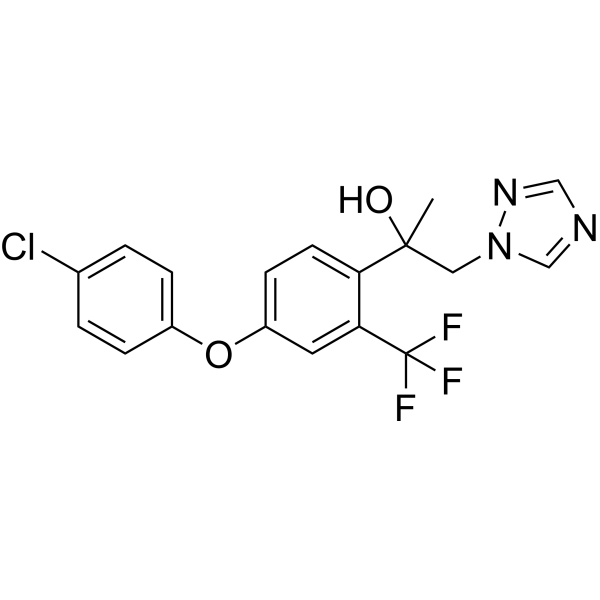 0 ImagesMefentrifluconazole is a novel azole derivative and used as an agrochemical broad-spectrum antifungal agent. Mefentrifluconazole is a potent, selective and orally active fungal CYP51 (Kd= 0.5 nM) inhibitor, but shows less inhibitory activity on human aromatase (IC50=0.92 μM).
-
SDZ285428
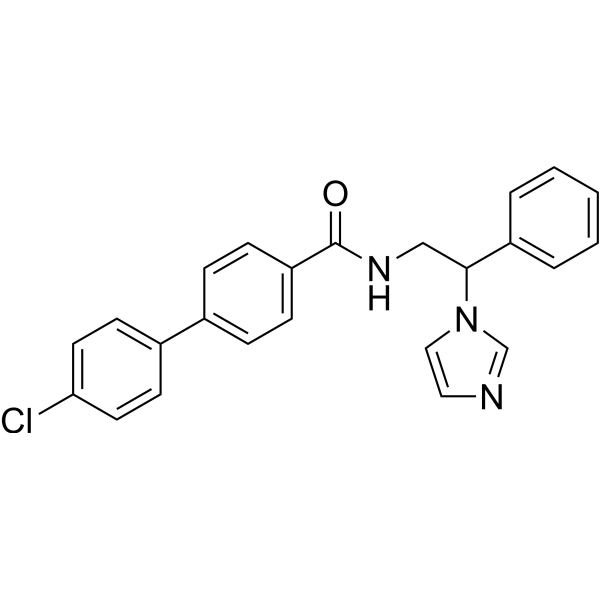 0 ImagesSDZ285428 is a CYP51 inhibitor. SDZ285428 inhibits Trypanosoma cruzi (TC) CYP51 with I/E2 <1 (5 min) and I/E2=9 (1 h). SDZ285428 inhibits Trypanosoma brucei (TB) CYP51 with I/E2 <1 (5 min) and I/E2=35 (1 h).
-
CYP51/HDAC-IN-1
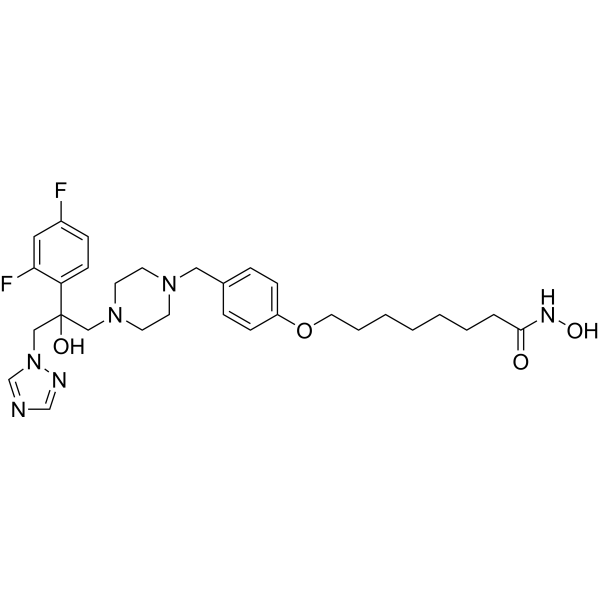 0 ImagesCat. No.: HY-144643CAS No.: 2502095-64-7CYP51/HDAC-IN-1 is a potent, orally active CYP51/HDAC dual inhibitor. CYP51/HDAC-IN-1 inhibits important virulence factors and down-regulated resistance-associated genes. CYP51/HDAC-IN-1 exhibits potent therapeutic effects for both tropical candidiasis and cryptococcal meningitis.
-
CYP51/PD-L1-IN-4
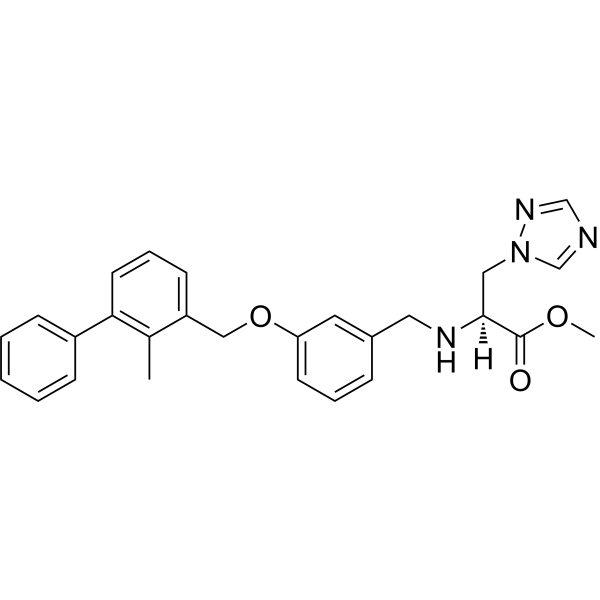 0 ImagesCat. No.: HY-149617CAS No.: 3032391-34-4CYP51/PD-L1-IN-4 (compound 14a-2) is a potent dual-target (CYP51/PD-L1) inhibitor, with IC50 values of 0.17 and 0.021 μM, respectively. CYP51/PD-L1-IN-4 exhibits excellent antifungal and antidrug-resistant fungal activity in vitro. CYP51/PD-L1-IN-4 can be used for fungal infections research.
-
CYP51/SE-IN-1
 0 ImagesCat. No.: HY-189445CYP51/SE-IN-1 is a dual-target inhibitor of CYP51 and squalene epoxidase (SE), with IC50 values of 2.95 mg/L and 6.35 mg/L, respectively. CYP51/SE-IN-1 is also an Antifungal agent. CYP51/SE-IN-1 disrupts fungal cell membrane integrity, increases membrane permeability, and induces intracellular ROS accumulation. CYP51/SE-IN-1 inhibits ergosterol biosynthesis and exhibits broad-spectrum antifungal activity against plant pathogenic fungi.
-
CYP51-IN-5
 0 ImagesCat. No.: HY-136755CAS No.: 1155361-03-7CYP51-IN-5 is a cytochrome P450 14α-demethylase (CYP51) inhibitor and an antifungal (fungal) agent belonging to the triazole derivative class. CYP51-IN-5 is applicable to the research of Candida albicans, Cryptococcus neoformans, Candida parapsilosis, Candida tropicalis, Trichophyton rubrum, Candida krusei and Microsporum gypseum.
-
CYP51-IN-33
 0 ImagesCat. No.: HY-187437CAS No.: 3133348-60-1CYP51-IN-33 is a CYP51 inhibitor with an IC50 of 0.35 μM against the sterol 14α-demethylase activity of Rhizoctonia solani CYP51. CYP51-IN-33 interferes with CYP51-associated ergosterol biosynthesis, accompanied by changes in hyphal morphology, increased membrane permeability and intracellular ROS accumulation. CYP51-IN-33 can be used in studies on CYP51-targeted antifungal activity and rice sheath blight.
-
CYP51-IN-27
 0 ImagesCat. No.: HY-178162CYP51-IN-27 is a sterol 14α-demethylase CYP51 inhibitor with an IC50 of 0.3434 μg/mL. CYP51-IN-27 exhibits antifungal activity and inhibits the production of fungal ergosterol. CYP51-IN-27 can be used for the research of infection, such as rice sheath blight.
-
CYP51-IN-29
 0 ImagesCat. No.: HY-179163CYP51-IN-29 (Compound B3) is a CYP51 inhibitor and antifungal agent. CYP51-IN-29 effectively suppresses the yeast-to-hyphal transition. CYP51-IN-29 exhibits potent antifungal activity against Candida albicans.
-
CYP51-IN-32
 0 ImagesCat. No.: HY-181511CAS No.: 205251-67-8CYP51-IN-32 is an antifungal agent with an IC50 of 0.331 μM against CYP51 of Candida albicans. CYP51-IN-32 releases hydrogen sulfide (H2S) and inhibits hyphal formation and biofilm development of Candida albicans. CYP51-IN-32 can be formulated into PEG-based nanovesicles. CYP51-IN-32 is applicable to the research of Candida albicans infection.
- 1
- 2



